Exploring Local Solutions with mudjacking alternative Des Moines
The Science Behind Concrete Progressing: Discovering Mudjacking Alternatives and Polyfoam Solutions
Concrete progressing is a crucial process for keeping architectural stability in various settings. Comprehending the reasons for concrete negotiation is crucial in identifying the appropriate option. Standard approaches like mudjacking deal some benefits but included substantial restrictions. Alternatively, newer polyfoam remedies existing ingenious benefits. The effectiveness of these methods, along with their environmental effects and expense implications, raises vital inquiries about the future of concrete stabilization. What strategy will ultimately show most effective?
Recognizing Concrete Settlement and Its Causes
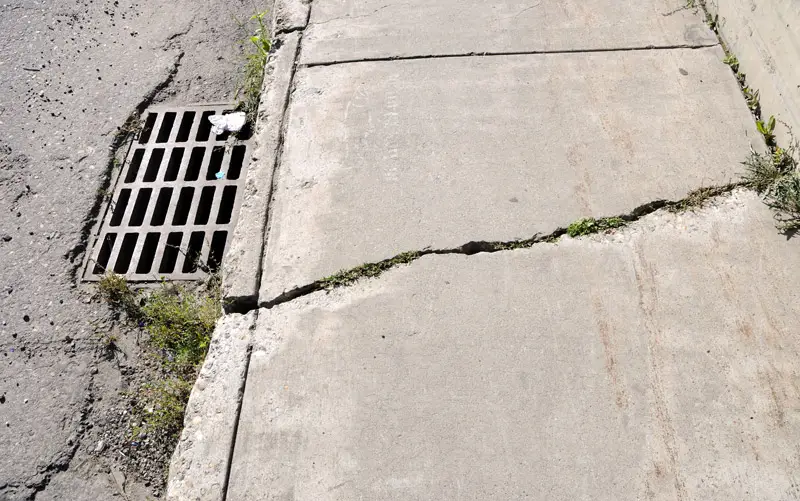
While concrete is a sturdy product, it is not immune to working out over time, which can bring about different architectural issues. Negotiation happens when the ground underneath concrete shifts or compresses, usually as a result of modifications in wetness degrees, dirt erosion, or insufficient compaction during the initial installment. Variations in temperature level can additionally add, as concrete expands and agreements, possibly intensifying existing weaknesses.
In addition, heavy loads or inadequate drainage can create local sinking, developing irregular surfaces that may posture safety risks. In some instances, tree roots or nearby building can interfere with the soil security, bring about additional negotiation problems. Recognizing the signs of concrete settlement, such as cracks or disproportion, is necessary for timely treatment. Understanding these causes permits homeowner to take preventive steps, making certain the long life and honesty of their concrete frameworks while avoiding pricey fixings down the line.
Standard Mudjacking: Process and Limitations
Conventional mudjacking is a widely made use of strategy for elevating sunken concrete pieces by injecting a mix of concrete and various other products below the surface area. This approach comes with its own set of restrictions, consisting of potential long-lasting effectiveness and ecological factors to consider. In addition, expense elements play a significant duty in figuring out whether mudjacking is the most sensible service for concrete leveling requirements.
Mudjacking Process Summary
Usual Limitations Identified
Several homeowners may overlook the constraints related to mudjacking as a concrete leveling remedy. While reliable in some situations, this approach has intrinsic downsides. One considerable restriction is the possibility for soil disintegration beneath the piece, which can result in future settling concerns. In addition, mudjacking includes the shot of a hefty slurry, which may not appropriate for all dirt kinds, particularly large clay. The process can also be lengthy, requiring substantial clean-up and drying time. Mudjacking does not deal with underlying problems such as drainage troubles or soil instability, which might require additional repairs. Homeowners ought to meticulously review these limitations to figure out if mudjacking is the most suitable option for their concrete progressing needs.
Price Considerations Explained
While reviewing concrete leveling options, homeowners need to think about the expense effects linked with typical mudjacking. This process commonly ranges from $300 to $1,500, depending upon the extent of the damage and the location calling for treatment. Although it is usually considered as an economical remedy contrasted to full slab substitute, mudjacking has restrictions that can impact long-term value. The demand for additional fixings, such as patching or securing, can boost general expenditures. Additionally, the possibility for dirt erosion or settlement may demand future interventions, even more pumping up costs. Homeowners must consider these variables versus alternative techniques, such as polyfoam services, which might provide improved sturdiness and reduced long-lasting upkeep expenses, making them a much more economically audio financial investment in time.
Polyfoam Solutions: Just How They Work
Polyfoam remedies have become a preferred method for concrete progressing, using a effective and light-weight option to traditional strategies. This technique uses a particularly created foam that increases and sets when infused under a settled concrete piece. The process starts with piercing tiny openings right into the affected concrete, permitting accessibility for the foam.
As soon as injected, the foam expands to fill up gaps and raise the piece back to its initial placement. The material's lightweight nature decreases extra stress on the underlying dirt, making it ideal for various applications, including household and industrial homes.
Furthermore, polyfoam is immune to moisture and does not degrade over time, ensuring long-lasting results. mudjacking vs polyjacking. Its fast treating time permits for quick completion of projects, minimizing downtime. Consequently, polyfoam remedies offer a reliable, long lasting, and eco-friendly choice for concrete progressing, attracting both contractors and homeowner
Comparing Performance: Mudjacking vs. Polyfoam
When assessing concrete progressing approaches, it is vital to compare mudjacking and polyfoam remedies to identify which is a lot more efficient for particular situations. Mudjacking includes infusing a cement-based slurry under the concrete slab, giving solid assistance. This approach is typically preferred for its cost-effectiveness and capacity to deal with heavier lots. It may take longer to cure, and the weight of the material can often lead to more settling. (mudjacking vs polyjacking)
Conversely, polyfoam solutions make use of lightweight polyurethane foam that expands to load spaces and lift the piece. This approach offers quicker healing times and very little disturbance to the surrounding location. Furthermore, polyfoam is much less most likely to add to future settling because of its light-weight nature. Inevitably, the choice between mudjacking and polyfoam depends upon elements such as the certain problems of the site, preferred rate of application, and load needs, making it vital to examine each method's limitations and benefits.
Environmental Effect of Concrete Leveling Approaches
The ecological impact of concrete leveling approaches is significantly essential in today's construction landscape. This conversation will discover environmentally friendly product alternatives offered in the industry and contrast the carbon impacts of numerous techniques, consisting of mudjacking and polyfoam. Comprehending these aspects is essential for making educated choices that line up with sustainability goals.
Eco-Friendly Product Options
Concrete leveling is necessary for keeping functional and risk-free surfaces, its ecological impact can be significant. Standard methods usually include materials that add to contamination and source exhaustion. Environment-friendly alternatives are arising. Biopolymer-based foams, acquired from renewable sources, offer a lasting option that lessens environmental harm. Furthermore, recycled materials can be integrated into leveling compounds, decreasing waste and preserving all-natural sources. These green remedies not only deal with the eco-friendly concerns connected with concrete progressing yet additionally give effective efficiency. By going with these innovative materials, professionals and building owners can add to a greener complete guide future, making sure that required repairs do not come with the expenditure of the setting.
Carbon Footprint Contrast
A significant element of examining concrete leveling methods is their respective carbon impacts, which can vary widely depending on the materials and strategies used. Typical mudjacking, which employs a cement-based slurry, usually leads to greater carbon discharges as a result of the production and transport of concrete. In contrast, polyfoam services, commonly made from polyurethane, usually discharge less greenhouse gases during manufacturing and application. In addition, the light-weight nature of polyfoam minimizes transport exhausts. In addition, improvements in green materials and techniques intend to minimize ecological impact, with some options making use of recycled parts. On the whole, contrasting the carbon impacts of these methods highlights the value of choosing sustainable options in concrete leveling methods, adding to an extra environmentally liable building market.
Cost-Effectiveness: Analyzing Long-Term Cost Savings
While several home owners may at first wait to purchase concrete progressing services, the long-term financial savings typically exceed the in advance costs. Concrete settling can bring about significant architectural concerns, requiring costly repair work that far exceed the price of leveling services. By dealing with unequal surfaces early, property owners can stop additional damage to their residential or commercial properties, including split structures and water invasion.
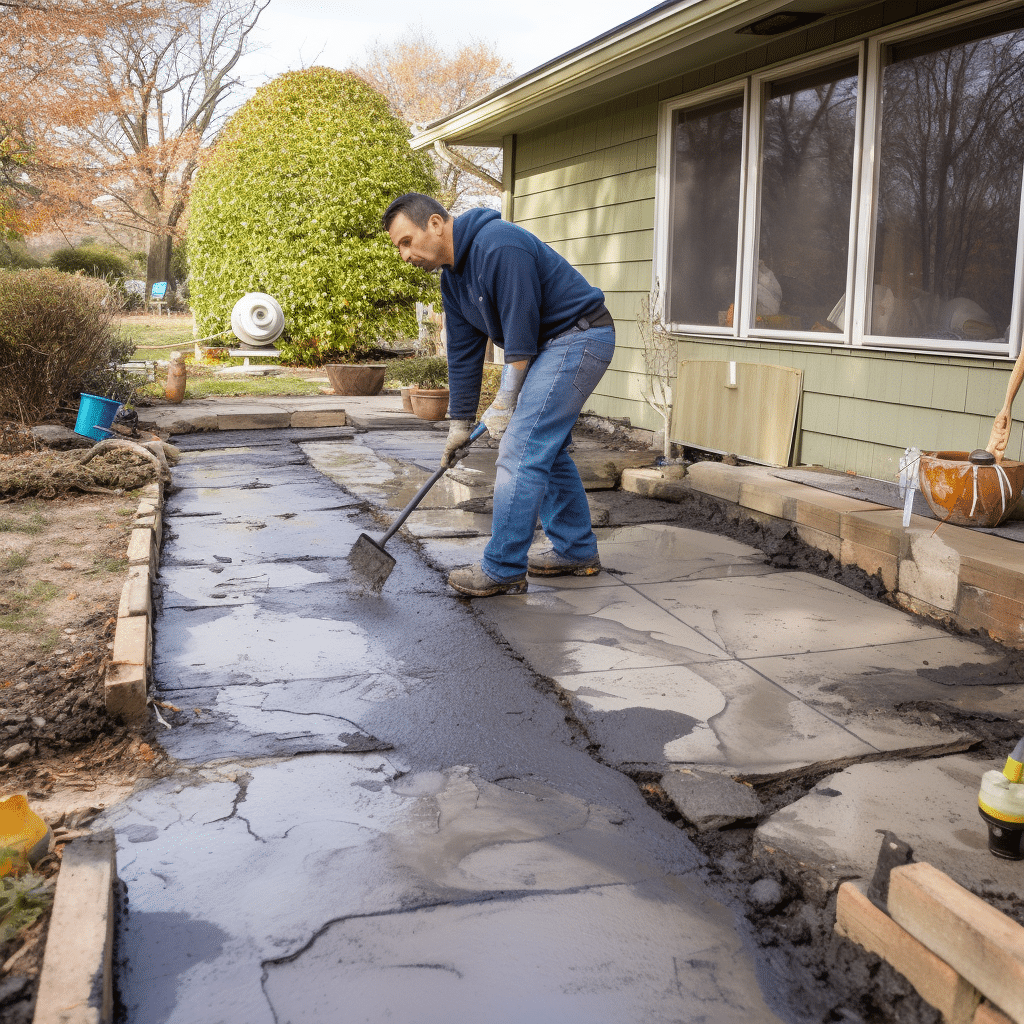
In addition, enhanced aesthetic appeals and security from journey hazards can enhance residential or commercial property value and appeal, making concrete leveling a monetarily sound selection. Ultimately, the investment in concrete leveling remedies offers as a proactive step, making sure the longevity of a home while considerably alleviating prospective future costs.
Frequently Asked Concerns
The Length Of Time Does Concrete Leveling Commonly Last After Treatment?
Concrete progressing usually lasts in between 5 to 10 years, relying on aspects like soil conditions, dampness, and use. Normal maintenance can expand its life expectancy, making sure the cured area remains useful and secure with time.
Can I Level My Driveway Myself With These Methods?
Yes, a person can level their driveway making use of these methods, supplied they have the needed tools and skills. Nonetheless, expert assistance is typically advised to ensure the best outcomes and protect against prospective difficulties throughout the progressing process.
What Weather Issues Affect Concrete Progressing Processes?
Weather conditions substantially influence concrete progressing procedures. Extreme temperatures, whether hot or chilly, can affect treating times and product performance. Furthermore, rain or moisture can impede attachment and effectiveness, making correct weather condition assessment crucial for effective progressing.
Are There Any Service Warranties for Concrete Progressing Providers?
Lots of concrete leveling solutions offer service warranties that can differ in period and coverage. Generally, these warranties guarantee security against defects in workmanship or materials, giving clients with peace of mind pertaining to the long life and effectiveness of the service.
Exactly how Do I Select the Right Service Provider for Concrete Progressing?
To pick the right contractor for concrete leveling, one must research credentials, reviewed testimonials, contrast quotes, request referrals, and confirm the contractor is certified and insured to ensure high quality craftsmanship and dependability.